
Judge
Sat Bains
“You have to take the risk: I’ve proved you don’t have to be from a top restaurant - I was out of work half way through the competition. ”

Restaurant Sat Bains
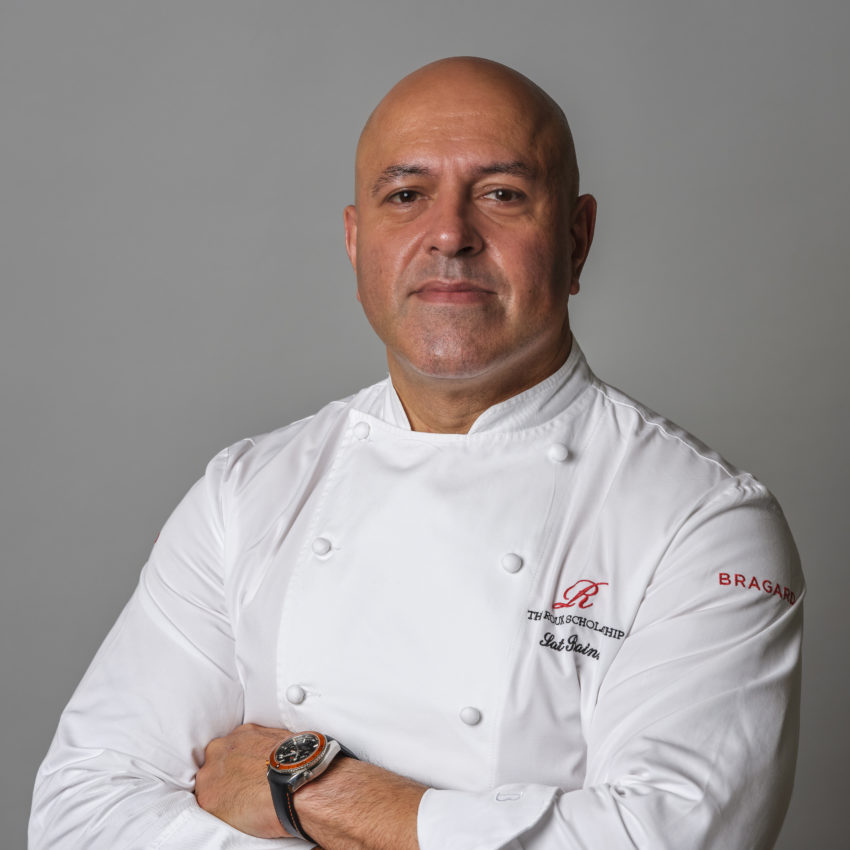
Sat joined the judging panel in 2017 bringing with him 20 years of industry experience.
He won the Roux Scholarship in 1999 and used the opportunity to pursue his unique vision for a restaurant: a Michelin-starred establishment in a location not usually associated with fine dining. Indeed, thousands of diners make the pilgrimage to Restaurant Sat Bains, which is set on the outskirts of Nottingham under a crossway flyover, down a bumpy road and next to an electricity pylon each year. His ten-course tasting menus are based in classic French cuisine but take their inspiration from everything from the Bernie Inn mixed grill to the spices used in the food of his Punjabi heritage. The restaurant won its first Michelin star in 2003, and their second in 2011 as well as five Rosettes from the AA and 9 out of 10 in the Good Food Guide several years running.
He is passionate about training and developing young aspiring chefs and the industry as a whole, supporting several chefs in his brigade to enter the scholarship, with several having reached the regional finals. Sat is proud that several chefs from his brigade, such as Niall Keating and Jordan Bailey have gone on to enjoy success in their own restaurants.
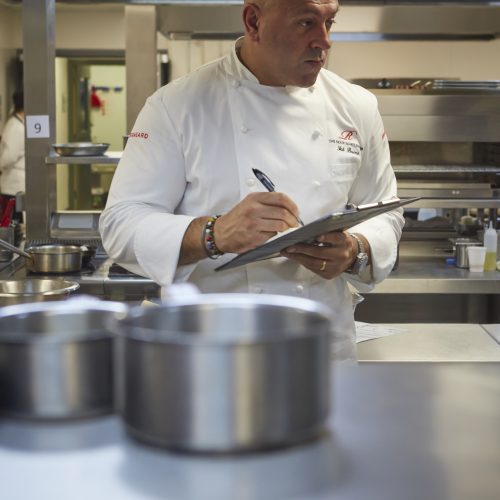
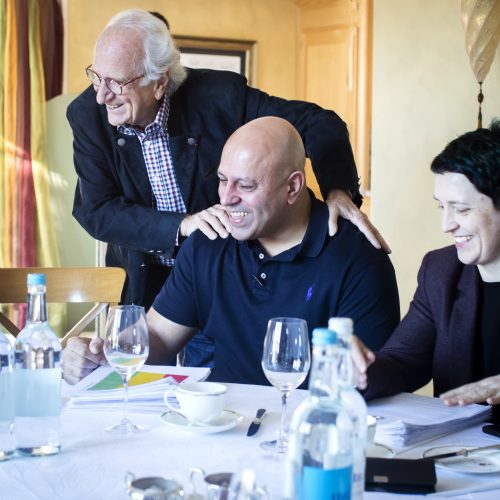
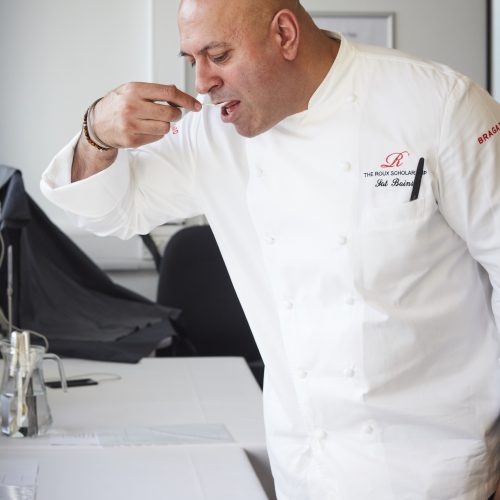
How much can applicants and finalists ‘stand out’ with their own vision for cooking during the competition?
You’ve got to be clean, work efficiently and tidily, and keep waste to a minimum, and catch the judge’s eye by working to a high standard.
Why should chefs from small and relatively unknown establishments enter the Roux Scholarship?
You have to take the risk: I’ve proved you don’t have to be from a top restaurant - I was out of work half way through the competition.
What do you think you would be doing now without having won the Roux Scholarship?
I’d still be here, doing my thing, I wouldn’t have given up, it just would have been another knock in my career, I’ve always had knocks.
What do you enjoy about judging the Roux Scholarship?
It’s great to see the next level of people in the industry in terms of standards. It’s interesting to see how they come up with the dish, how they work, and to see the next generation come through. And it’s great to give something back. I treat it like I’m at work: we have very talented people and take it very seriously; I’m not going to take any shit, if I allow leniency I’m not doing my job in creating good chefs.
What have been the highlights of being a judge?
I think it’s a great way to share knowledge with the other judges, and they’re great company. A real highlight was when we had Michel Guérard as Honorary President of Judges, he’s a legend. His restaurant was where Andrew Fairlie, the first scholar, went for his stage, and he really means something to the scholarship.